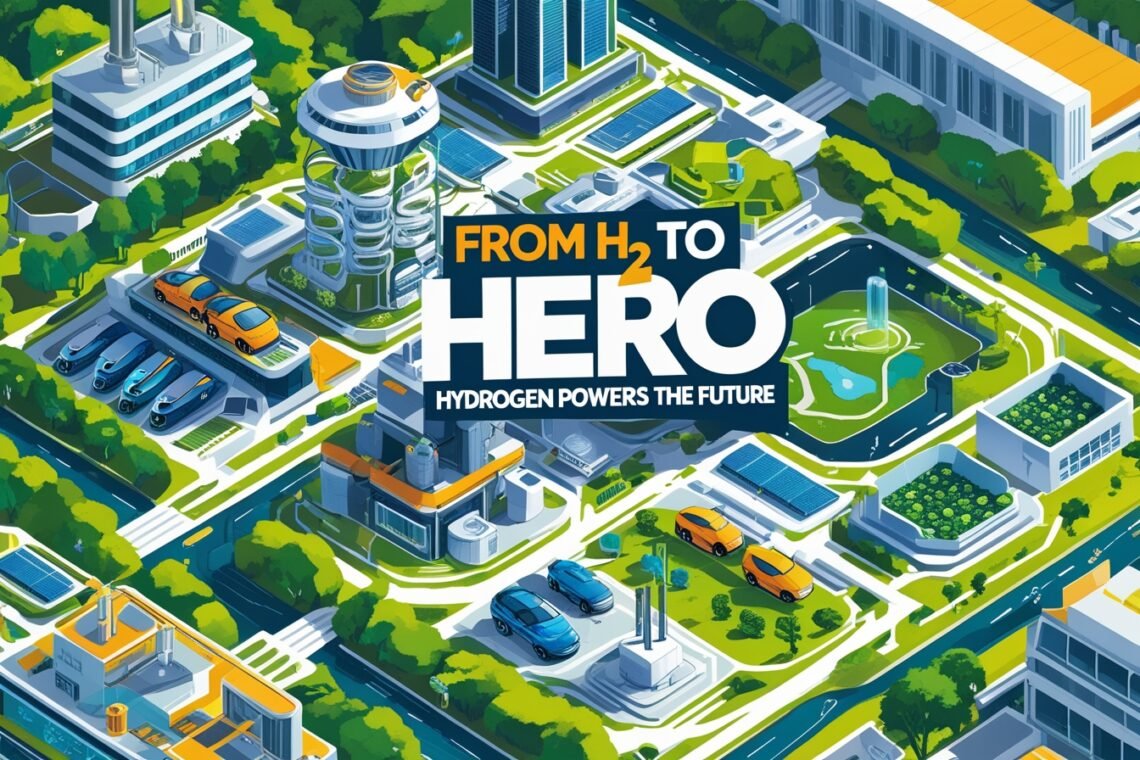
Hydrogen is quickly gaining recognition as a clean energy source that can change how we power our world. As the global push for greener solutions heats up, governments, companies, and scientists see hydrogen as a critical piece of the puzzle. With its potential to fuel industries, cars, and power grids without harming the environment, hydrogen is proving itself as a versatile, sustainable option. Recent breakthroughs and investments highlight the urgent need to shift toward hydrogen-based systems that can help fight climate change and boost economies.
The Basics of a Future Fuel:
What Is Hydrogen and Why Is It Important?
Hydrogen is the simplest element in the universe, made of just one proton and one electron. It’s also the most abundant, making up about 75% of all matter. When produced sustainably, hydrogen can be a clean fuel that doesn’t release any carbon emissions. Its high energy content per weight makes it a powerful option for clean energy needs, especially when compared to traditional fuels like gasoline or coal.
Types of Hydrogen:
There are three main types of hydrogen based on how it’s made:
- Grey Hydrogen: Made from natural gas without capturing emissions. It’s currently the most common but isn’t eco-friendly.
- Blue Hydrogen: Produced from natural gas, but with carbon capture technology to reduce emissions.
- Green Hydrogen: Created through electrolysis powered by renewable energy, making it the cleanest option. Green hydrogen holds the greatest promise for a sustainable future.
The Energy Cycle of Hydrogen:
From production to use, hydrogen goes through various stages:
- Production: Using methods like electrolysis or reforming natural gas.
- Storage: Stored as compressed gas or liquid, though this can be tricky due to safety concerns.
- Transport: Moving hydrogen via pipelines, ships, or trucks to where it’s needed.
- Utilization: Used in fuel cells, industrial processes, or as a fuel in vehicles.
Each stage faces challenges, but innovations like new storage materials and smarter transportation are helping to make hydrogen more practical.
The Power of Hydrogen in Industry:
Hydrogen in Manufacturing and Heavy Industry:
Hydrogen is a game-changer for industries like steel-making or cement. For example, some companies are replacing coal with green hydrogen to make steel. This reduces carbon emissions significantly. Several factories are already testing hydrogen-powered processes, showing that it’s more than just a plan, it’s happening now.
Hydrogen’s Impact on Energy Storage and Grid Stability:
Hydrogen acts like a giant battery for renewable energy. When there’s too much solar or wind power, excess energy can turn into hydrogen. When energy demand rises, this hydrogen can be converted back into electricity or used directly. This approach creates a more stable grid and less wasted energy.
Environmental and Economic Benefits:
Switching to hydrogen means cutting down on pollution. Countries using hydrogen instead of fossil fuels can see big drops in greenhouse gases. Plus, this shift creates new jobs in manufacturing, engineering, and infrastructure. It opens the door for economic growth while cleaning up our environment.
Hydrogen in Transportation and Mobility:
Fuel Cell Electric Vehicles (FCEVs):
Hydrogen-powered cars work with fuel cells that turn hydrogen into electricity. No fossil fuels! Vehicles like the Toyota Mirai and Hyundai NEXO are already on the roads, showing that hydrogen can move us forward. These cars refuel quickly and produce only water vapor, no tailpipe emissions.
Hydrogen Infrastructure Development:
Building a network of refueling stations is vital. Countries like Japan, Germany, and California have invested heavily in hydrogen stations. Plans are in place to expand these networks, making it easier for more people to choose hydrogen-powered transport. This infrastructure growth is key to making FCEVs practical for everyday drivers.
Case Studies and Pilot Projects:
In Japan, hydrogen buses and trains connect remote areas. Germany is testing hydrogen-powered trucks. California funds projects to develop hydrogen refueling stations alongside renewable energy projects. These cases teach us what works and where improvements are needed.
Challenges and Solutions in Hydrogen Adoption:
Production Cost and Scalability:
Green hydrogen still costs more than fossil fuels. Companies are investing billions into electrolysis tech to bring costs down. Using more renewable energy directly influences production costs and scalability. Cutting-edge electrolyzers are now more efficient and affordable.
Storage and Transportation Difficulties:
Hydrogen is tricky to store safely. It needs high pressure or cooling for liquefaction, which is expensive. New storage materials and pipeline innovations are making transportation easier and safer, reducing risks.
Policy, Regulation, and Market Incentives:
Strong policies help jumpstart hydrogen markets. Some governments offer incentives, tax breaks, and grants for hydrogen projects. Creating a clear, supportive policy environment can accelerate adoption and infrastructure growth.
The Future of Hydrogen: Trends and Predictions:
Technological Innovations on the Horizon:
Improvements in electrolysis, like using less water and energy, will make green hydrogen cheaper. New fuel cell designs are making vehicles and industry equipment more efficient. Carbon capture technology will also play a role in making blue hydrogen even cleaner.
Market Growth Projections:
The hydrogen market could grow to over $200 billion by 2030. Investment in hydrogen projects is booming, with many countries betting big on the technology. The future shows a steady rise in demand for hydrogen in various sectors.
Global Initiatives and Partnerships:
International efforts such as the Hydrogen Council and European Hydrogen Strategy aim for cooperation and shared progress. Countries are teaming up to build cross-border pipelines, standardize regulations, and share technology.
Path to a Hydrogen Economy:
To reach a true hydrogen economy, governments need to plan and support:
- More renewable energy for green hydrogen.
- Better infrastructure for storage and transport.
- Policies encouraging industry shifts and innovation.
- Investment in research to make hydrogen even more accessible.
Conclusion:
Hydrogen has massive potential to reshape how we power everything from factories to cars. The key is producing it sustainably, building infrastructure, and creating policies that support growth. The shift to hydrogen isn’t just a dream, it’s happening now, and it can lead to a cleaner, more resilient energy future. Every step we take towards adopting hydrogen makes the planet cleaner and energy more affordable. It’s time for us all to get involved, whether you’re an investor, policymaker, or just curious. The future of energy is bright, and hydrogen is ready to be the hero.
FAQs:
1. What is green hydrogen, and why is it important?
Green hydrogen is produced using renewable energy through electrolysis, making it the cleanest and most sustainable type of hydrogen fuel.
2. How is hydrogen used in transportation?
Hydrogen powers fuel cell electric vehicles (FCEVs), which produce only water vapor and refuel quickly, making them a clean alternative to gas-powered cars.
3. What industries benefit most from hydrogen?
Heavy industries like steelmaking, cement, and chemical manufacturing use hydrogen to reduce carbon emissions and increase energy efficiency.
4. What are the main challenges in adopting hydrogen energy?
Key challenges include high production costs, storage difficulties, and the need for extensive infrastructure like refueling stations and pipelines.
5. How does hydrogen help store renewable energy?
Excess wind or solar energy can be converted into hydrogen, which is later turned back into electricity—acting like a giant energy storage system.
6. What is being done to promote hydrogen worldwide?
Governments and international groups are investing in hydrogen projects, offering policy support, and building global partnerships to scale its use.